
By 1923, author Theodore Dreiser was very hard at work on a novel that he hoped would become his crowning achievement. It was novel about a man who was torn between two women from completely different worlds and while in pursuit of the American Dream, he commits an unforgivable act. He was calling the book, based on the real-life murder of Grace Brown by Chester Gillette at Big Moose Lake in 1906, "An American Tragedy."
To prepare for his novel, Dreiser obtained a copy of the trial transcript; went on a road trip to view the sites where the story took place, including the murder scene at Big Moose Lake. He also viewed Grace's love letter, which by then were in the possession of the family of District Attorney George Ward, who died in the Spanish Flu Epidemic of 1918. He also went through some of the old New York City paper articles that dated back to the trial which he had saved.
In order to make the novel fictional, he basically changed whatever he could about the events and the locations of the original case. For starters, he changed the Gillette Skirt Factory into a shirt collar factory and he changed the city and the location from Cortland to an area of Central New York that he named "Lycurgus." On a map, it would be near the real-life factory town of Canajoharie. He also changed the name of all of the key players and places that figured into the Gillette story. For example: Big Moose Lake became known as Big Bittern Lake and it was located near the Canadian border. The town where Chester (or Clyde Griffiths as he is known in the novel) was tried in was changed from Herkimer to Bridgeburg and the county name was changed from Herkimer to Cataraqui County.
Dreiser even changed Chester's background a little bit by stating that Clyde originally hailed from Kansas City and most of the events that happened to Clyde in the first part of the novel were based more on Dreiser's upbringing rather than Chester's. However, Dreiser retained the excessively-religious environment that both Chester and Dreiser were brought up in. He also made Grace (renamed Roberta Alden in the book) into a poor farm girl from a poor, unkempt family farm, a far cry from the real Grace's family who were actually middle-class people and very well thought of. Then he turned Ward (renamed Orville Mason) into the main villain of the story, a district attorney who was a raving lunatic looking to send a man to the electric chair to serve his political ends. Ward, although he was elected Herkimer County Judge a week before Chester's trial started, was not like that.
And yet there were some things that Dreiser retained from the Gillette story. In the novel, he used Grace's letters almost word for word; he used Chester's final statement that was written before his execution in 1908 exactly word for word save for Clyde's signature at the end; he kept Auburn as the prison where Clyde was executed even though by the time the novel was published, state executions were only carried out at Sing Sing Prison in Ossining, NY; and using the city papers as a base, he created a love triangle with a rich girl. At the trial, the press made a big deal out of Chester's relationship with Harriet Benedict, the daughter of a prominent Cortland lawyer, even though the true nature of their relationship was strictly based on being merely friendly acquaintances.
It took Dreiser nearly two years to get his book ready for publication and by the end of 1925, he finally unveiled "An American Tragedy" to the world. It was written in three parts and it was well over 800 pages long, about the length of a Harry Potter book. Still the general public bought the book and it became a major sensation.
In Central New York, the novel's release put Chester and Grace back in the news again, especially in Herkimer County. Just prior to Dreiser's novel, the case had been all but forgotten and seemed on the verge of fading into local legend. After Dreiser's novel was released and even a few years afterward, people began to take Dreiser's word as gospel as to what actually happened at Big Moose Lake in 1906 and it would take years before the real story began to filter back to the surface.
But for now, Dreiser finally had his masterpiece and a famous murder case finally achieved legendary status.
Thursday, May 24, 2007


Wednesday, May 02, 2007
5/2/07- Man With A Vision

In 1906, the Chester Gillette murder trial captured the imagination of people all across the nation. It was the topic of conversation among many people at that time to the point where the story of the young man who murdered his pregnant girlfriend in the Adirondacks overshadowed the other major murder trial that was occurring at the same time: The Harry Thaw case.
Among those who were entranced by the story was a 35-year-old novelist and magazine editor named Theodore Dreiser. He became interested in the case because he was looking for a certain type of crime that reflected the dark side of the pursuit of the American Dream to put into his next novel. He had researched dozens of murder cases before deciding that he was going to use the Gillette Case as the basis for the novel.
Dreiser was born in 1871 in Indiana. Like Chester, Dreiser came from an excessively- religious family and clearly had the same feelings for young women, especially upper-class women, that Chester had. He wrote many short stories before publishing his first novel "Sister Carrie" in 1900. It was pretty much a cutting-edge novel for its era and caused quite a bit of controversy because of the sexual content that was in its pages. It took years for the book to sell partly because of the changing attitudes of the era.
By 1920, after writing several other books, Dreiser was ready to create what was going to be his great masterpiece. He decided that he was going to base his novel on the Gillette case and he was going to call the novel "An American Tragedy." He viewed Chester as a "Horatio Alger gone wrong" character and realized that he and Chester shared a similar background which was essential in the creation of the main character, Clyde Griffiths.
In the novel, Clyde is forced to choose between his poor pregnant factory girlfriend, who was modeled after Chester's lover/victim Grace Brown, and a society girl, who was modeled after one of Chester's upper-class girlfriends, Harriet Benedict. In the book, Clyde planned to kill his poor girlfriend so he could marry his rich girlfriend. At the last minute, he chickened out and the poor girlfriend's death ended up being an accident and he simply did not save her. However, Clyde was still charged with murder and executed in the electric chair.
To prepare for his novel, Dreiser requested a copy of the trial transcript and researched clippings from the New York Sun, which was one of the "yellow journal" papers that covered the trial. Then in 1923, he and then-mistress Helen Richardson took a road trip to tour the sites that related to the case, including Grace's home in South Otselic; the sites in Cortland where Chester and Grace met and worked; Herkimer where the trial took place; and Big Moose Lake where the murder took place.
During their trip to Big Moose Lake, Dreiser and Helen rented a rowboat at the Glenmore Hotel where Chester and Grace also rented their boat and went out on the lake. When they approached the murder scene, Helen noticed that Dreiser had a strange look on his face and she suddenly became frightened. She had a feeling that Dreiser was going to kill her and put that in his book. However, at that moment, she realized that she had cast herself as Grace in that moment.
Also during their tour, they stopped off at the home of District Attorney George Ward, who lived in Dolgeville. Ward had died a few years earlier during the Spanish Flu Epidemic of 1918. His daughter allowed him to view Grace's letters which he kept after the trial and he later put the letters into his novel almost word for word.
When he returned from his tour, Dreiser began taking what he had learned about the case and molded it into what he hoped would be the greatest novel he ever wrote. It would be another two years before it would be published, but when it was published it would become one of the greatest classic novels of all time and it would turn the Gillette case into an immortal legend.
Monday, April 16, 2007
4/16/07- The Press vs. Gillette

In 1906, the murder of Grace Brown at Big Moose Lake and the eventual trial of her lover Chester Gillette captivated not only people in the area where she was murdered, but the news of her death made national headlines all across the nation. In fact, one of the biggest key factors in the conviction of Chester was the way he was portrayed by the press.
The trial attracted reporters from all over the nation, including reporters from the New York City papers. In those days, the city papers were notorious for their "yellow journalism" style of reporting, meaning that they had the tendency to make up news to sell papers. If people read the local papers (the Utica, Herkimer and Syracuse papers) during the trial, they got the actual truth of what went on at the trial. On the other hand, the city papers went to considerable lengths to get the story, even if they had to make the news themselves.
Among some of the things that the city reporters "reported" on were stories that Chester tried to escape from the courtroom when he was actually trying to give undersheriff Austin Klock his hat; that he had a secret girlfriend who sent him letters and candy which was revealed to be from his younger sister Lucille; that one of his rich girlfriends from Cortland was let into his jail cell; that he was trying to commit suicide; and so on.
Also, frustrated that they could not obtain an actual photo of Grace because the few known pictures of her were being used by the local papers and by the district attorney, the reporters paid off a Herkimer waitress to pose as Grace. The photo first appeared in the New York Journal, one of the yellow journalism papers. As you can tell, the photo looks nothing like her.

But perhaps the most notorious thing that they did to get the story was when they dressed up in old clothes and masks and went over to the Herkimer County Jail and demanded that Chester be handed over to them so they could hang him themselves. After they were chased away by the jailers, they dressed back up in their reporter clothes, went back to the jail and asked the jailers about whether or not a lynch mob came by and threatened Chester's life. After the jailers confirmed it, they went back to their hotel and sure enough, their "lynch mob" story appeared on the front page of the New York Journal the next day.
After the trial ended, Judge Irving R. Devendorf, who was not happy with the way the city papers handled the trial and especially after they insulted both him and the people of Herkimer, issued warrants for one of the yellow journal papers and sent the deputies down to the city to arrest three people connected with that paper. Among those arrested was the legendary Western hero Bat Masterson, who worked at the paper as a sports reporter but had covered the Gillette case for the city papers. They were shipped up to Herkimer and fined fifty dollars each.
The trial was over, but the press' lingering effect lived on and it would soon become source material for an author who became interested in the case and needed a case like the Gillette case for a novel that he hoped would be his "great masterpiece."
His name? Theodore Dreiser.
Thursday, March 08, 2007
3/8/07- Chester's Diary

A new chapter in the saga of Chester Gillette and Grace Brown was opened on Tuesday, March 6 with the donation of Chester's diary to Hamilton College's Burke Library by a descendant of Chester's.
The diary was written during the last six and a half months of Chester's life while he was in Auburn Prison awaiting execution by electric chair and ever since after the execution in 1908, the diary was in the possession of the family of Chester's sister, Hazel Gillette McWade (1887-1975)for generations before it was passed down to Hazel's granddaughter, Marlynn McWade-Murray of Tallahassee, Florida. After conducting an Internet search for her great-uncle and realizing the importance of the diary, she got in touch with Craig Brandon, author of "Murder in the Adirondacks" and "Grace Brown's Love Letters." Craig then put her in touch with Randall Ericson, the librarian at Hamilton College and they agreed that the diary should be donated to the library's vast Gillette collection that included District Attorney George Ward's court documents, old newspaper clippings and of course, Grace's love letters.
In the diary, we are introduce to a very different Chester as opposed to the Chester we know from previous historical accounts. The Chester in the diary is more mature, more spiritual and more concerned for his family's future after his death. This was a far cry from the Chester Gillette that was portrayed in the trial transcript, the press, and history.
In short, the diary is the story of Chester's redemption.
As I sat in the audience listening to the presentation and listening to the passages read from the diary, including his last entry that was written just minutes before he was led to the electric chair, I too was surprised by the new interpretation of Chester. It made me step back and reevaluate what I have learned about him during the year and a half that I have been involved with the story of Chester and Grace.
The only things that the diary does not contain is a confession that many expected Chester to write, nor does it offer an account of what happened to Grace at Big Moose Lake on July 11, 1906. However, he does mention Grace only once in a passage where he admitted that he was never in love with her. Other than that, the diary is more about his transition from boy to man as he waited for his death.
I did meet Marlynn before I left the presentation. She is a very nice person and I saw a little bit of her grandmother in her. From what I have learned about her grandmother, who was 19 at the time of the murder in 1906, she was a really strong young woman considering what she had to deal with. And while my heart is still with Grace, Hazel was someone to be admired.
And so was Chester.
Friday, February 02, 2007
2/2/07- New And Improved

Hello, everyone. I would like to welcome everyone to the new and improved "Chester and Grace" blog site. I apologize for the fact that it took me so long to get everything ready, but there was a reason for that and I would now like to share that with you.
During my down time, I was finally able to teach myself a new trick: How to set up links. As you can see on the link bar on the right side of the blog, I have added a whole bunch of links that relate to both the Gillette case and me in general. I am sure that you will like them.
The first link I added are all the blogs I have posted on my primary blog site, "Ultimate Blackcatloner," on Yahoo 360 that is exclusively devoted to Chester and Grace. The second link is a link to my entire blog site, the above-mentioned "Ultimate Blackcatloner" on Yahoo. I put that link there so that way, viewers of this site can see my other written work on other subjects that relate more to me. Tomorrow is the one-year anniversary of the day that I officially opened that site and became an Internet blogger.
Another link I have set up is a link to my Chester and Grace photo page on Yahoo Photos. Most of those photos are photos that I took while others are either submitted by various sources or uploaded off the Internet. That is followed by my blog, "A Valentine to Grace," my "ghost-written response" to her love letters that I wrote last year on the Yahoo site about a month after I received a copy of the final letter.
I also have a link to a transcription of Grace's diary that was provided by her grand-nephew Robert Williams, who has been of significant help to me while I am writing my book on the case as well as a link to the other official site devoted to the Gillette case: Craig Brandon's "Murder in the Adirondacks" site and the Utica Observer-Dispatch Gillette feature site entitled "The Murder That Will Never Die: An American tragedy." That site contains some written articles about the case, as well as a slideshow containing photos of the case and an audio reading of Grace's final letter.
And while I am on the topic of my book on Grace, I just want to say that things are going pretty well. I am writing the book at the Herkimer County Historical Society on a non-Internet connected computer. I am usually there about four days a week at an average of four hours a day. I have received a couple of recommendations as to where I can get the book published, but I am going to wait until I have a full manuscript before I submit it. I am keeping my fingers crossed in high hopes that I will make my target date of 2008 for when I get the book published.
And as far as this site goes, I am planning to keep it open at least until I get the book published. I may not be on here as much being that the Gillette Centennial year is over with, but that doesn't mean that I don't have anything else on tap for this site. I still have to tell the aftermath story and how the case became Theodore Dreiser's novel, "An American Tragedy." I may also provide updates from time to time on any new developments in both the case and on my upcoming book.
Friday, December 15, 2006

12/16/06- AT YEAR'S END
SINCE WE ARE RAPIDLY APPROACHING THE END OF 2006, OTHERWISE KNOWN AS "THE YEAR OF THE AMERICAN TRAGEDY," I FIGURED THAT NOW WOULD BE THE BEST TIME TO ANSWER THE MILLION-DOLLAR QUESTION THAT HAS PROBABLY BEEN ON EVERYONE'S MIND: "HOW DID I GET INVOLVED WITH THE GILLETTE CASE?"
WELL, I GUESS NOW WOULD BE THE APPROPRIATE TIME TO ANSWER THAT QUESTION.
IT ALL STARTED IN THE BREAKROOM AT WAL-MART IN HERKIMER WHERE I WORK IN JULY OF 2005. THAT NIGHT, I NOTICED A COPY OF THE HERKIMER EVENING TELEGRAM THAT WAS DATED JULY 12, 2005. ON THE FRONT PAGE OF THAT ARTICLE, I READ AN ARTICLE ABOUT THE FIRST REPORTS ABOUT THE CENTENNIAL. I WAS ABLE TO CLIP IT OUT BEFORE IT WAS THROWN AWAY AND I STILL HAVE IT TO THIS DAY. THAT IN TURN PROMPTED ME TO GO TO THE LIBRARY AND TOOK OUT JOSEPH BROWNELL'S BOOK, "ADIRONDACK TRAGEDY." I READ THAT THROUGHOUT THE COURSE OF THREE WEEKS AND THEN CRAIG BRANDON'S BOOK, "MURDER IN THE ADIRONDACKS" WAS AVAILABLE FOR ME TO TAKE OUT AND SO I HAD THAT ONE OUT FOR SIX WEEKS. I NOW OWN COPIES OF BOTH BOOKS.
WHILE I HAD "MURDER IN THE ADIRONDACKS" OUT, I BEGAN TAKING NOTES ON THE CASE FROM THERE BECAUSE THE INFORMATION THERE WAS VERY ACCURATE. AND THEN TAKING NOTES OUT OF THE BOOK SOON LED TO AN OBSESSIVE PRINTING OF WHATEVER INFORMATION ABOUT THE CASE THAT I COULD GET OFF THE INTERNET. AND I GOTTA TELL YOU, YAHOO AND GOOGLE HAS A VERY EXTENSIVE LINE OF ARTICLES THAT RELATED TO THE GILLETTE CASE. EVENTUALLY, I SET UP MY EMAIL ADDRESS AT THE LIBRARY SO THAT WAY I COULD CONTINUE MY RESEARCH ON THE CASE.
BY JANUARY, 2006, I WAS A MEMBER OF THE AMERICAN TRAGEDY CENTENNIAL COMMITTEE, AN ORGANIZATION THAT WAS MADE UP OF THE HERKIMER COUNTY HISTORICAL SOCIETY, THE ILION LITTLE THEATER CLUB, AND THE GRACE COMMITTEE, AN ORGANIZATION FROM THE TOWN OF WEBB. AT MY FIRST MEETING, I RECEIVED A COPY OF GRACE'S LAST LETTER AS SHE WROTE IT AS WELL AS GETTING MY PHOTO (UNINTENTIONALLY, OF COURSE) ON THE FRONT PAGE OF THE TELEGRAM.
SHORTLY AFTER THAT, I DISCOVERED THE JOYS OF INTERNET BLOGGING WHEN I SET UP A BLOG SITE ON YAHOO AND I HAD WRITTEN SOME BLOGS ON THE CASE ON THAT SITE, INCLUDING MY LITTLE "VALENTINE" TO GRACE. FINALLY, WHEN I FELT THAT I HAD PUT UP QUITE A BIT OF BLOGS ABOUT THE GILLETTE CASE ON MY YAHOO SITE AND THE FACT THAT I HAD A LOT OF INFORMATION FROM BOTH THE BOOKS AND THE INTERNET, I DECIDED TO OPEN THIS SITE HERE ON BLOGGER.COM.
AT THE SAME TIME, I ATTENDED THE MANY EVENTS THAT THE CENTENNIAL YEAR HAD TO OFFER, INCLUDING THE HERKIMER PERFORMANCES OF THE TRIAL REENACTMENTS; THE BUS TRIP TO CORTLAND AND SOUTH OTSELIC THAT RELATED TO THE GILLETTE CASE, INCLUDING GRACE'S HOME AND GRAVESITE; THE ILION LITTLE THEATER'S PERFORMANCE OF THE PLAY, "CHESTER AND GRACE;" AND I ALSO ATTENDED THE RECENT HISTORIC MARKER DEDICATION FOR THE 1834 JAIL IN HERKIMER.
HOWEVER, I WAS UNABLE TO ATTEND THE MEMORIAL FOR GRACE UP AT BIG MOOSE LAKE ON JULY 11. I HAD TO WORK THAT NIGHT AND THERE WAS NO WAY THAT I COULD GET THE DAY OFF TO GO UP THERE. HOWEVER, TO LET GRACE KNOW THAT I DIDN'T FORGET HER, I ARRANGED TO HAVE FLOWERS SENT UP TO THE MEMORIAL TO BE PUT IN THE LAKE ALONG WITH THE MEMORIAL WREATH THAT WAS EVENTUALLY PUT IN THE LAKE BY FRANK CAREY, THE GRANDSON OF MARJORIE CAREY, THE WOMAN WHO HEARD GRACE SCREAM THE DAY SHE WAS MURDERED, AS WELL AS ROBERT WILLIAMS, GRACE'S GRANDNEPHEW, WHOM I HAVE BEEN IN CONTACT WITH RECENTLY AND I WILL EXPLAIN THAT LATER, AND SUSAN WILLIAMS, GRACE'S GRANDNIECE. I WAS TOLD THAT IT WAS A WONDERFUL CEREMONY. ALTHOUGH MY FLOWERS DIDN'T GO IN THAT DAY, I WAS TOLD THAT THEY WENT IN TWO DAYS LATER IN A PRIVATE CEREMONY.
I HAVE MET A LOT OF PEOPLE DURING MY INVOLVEMENT WITH THE CASE AND I HAVE OBTAINED NUMEROUS PIECES OF INFORMATION ABOUT THE CASE, MOST NOTABLY IN THE LAST FOUR MONTHS ALONE. I HAD JUST RECENTLY COMPLETED FOUR MONTHS OF GOING THROUGH CRAIG BRANDON'S RESEARCH FILES, WHICH ARE AVAILABLE AT THE HERKIMER COUNTY HISTORICAL SOCIETY. DURING THAT TIME, I MET A WOMAN WHO WAS RESEARCHING THE ROXALANA DRUSE CASE FOR A SERIES OF GHOST NOVELS ABOUT THAT CASE AND SHE GAVE ME EVERY SINGLE LEGAL DOCUMENT ABOUT THE CASE, INCLUDING THE TRIAL TRANSCRIPT. THEN ON THIS SITE, I ESTABLISHED CONTACT WITH A WOMAN FROM HOUSTON, TX. WHO HAS SENT ME PHOTOS FROM THE CASE, AS WELL AS THE GRACE EPISODE OF "UNSOLVED MYSTERIES," THE MOVIE SCRIPT FROM THE 1931 MOVIE, "AN AMERICAN TRAGEDY," AND GRACE'S AUTOPSY REPORT. I HAVE EVEN MET BOTH CRAIG BRANDON AND JOE BROWNELL.
THEN WHO WOULD'VE THOUGHT THAT IN ONLY A YEAR AND A HALF OF RESEARCH, I WOULD BE WRITING A BOOK ABOUT THE CASE, MUCH LESS ONE THAT FOCUSES EXCLUSIVELY ON GRACE, SINCE SO LITTLE IS KNOWN ABOUT HER OUTSIDE OF THE LOVE LETTERS AND HER STORY WITH CHESTER. I CAN'T BELIEVE THAT THIS IS MOVING CLOSER TO REALITY. I HAVE BEEN TRYING TO START A WRITING CAREER FOR YEARS AND NOW IT LOOKS LIKE IT IS GETTING CLOSER TO ACTUALLY HAPPENING.
AND SO, NOW HERE IS THE PART WHERE I LIST SOME OF THE PEOPLE WHO HAVE HELPED ME AND SUPPORTED ME THROUGHOUT THE COURSE OF MY WORK ON THE CASE TO DATE AND EXTEND MY DEEPEST GRATITUDE FOR THEIR SUPPORT:
TO CRAIG BRANDON AND JOSEPH BROWNELL: THANK YOU FOR WRITING THE TWO BOOKS THAT HAVE INSPIRED ME TO CREATE BOTH THIS SITE AND MY UPCOMING BOOK. I HOPE THEY WILL BE ABLE TO CONTINUE TO SUPPORT ME AND OFFER ASSISTANCE AS I CONTINUE TO WRITE THE BOOK.
TO MARY BOARDWAY OF HOUSTON, TX., WHO WAS AMONG THE FIRST TO COMMENT ON THIS SITE: THANK YOU FOR SENDING ME THE PHOTOS, THE "UNSOLVED MYSTERIES" EPISODE, AND THE AUTOPSY REPORT. THANKS AGAIN FOR YOUR SUPPORT.
TO SUSAN SCHWAGER OF COLONIE, N.Y.: THANK YOU FOR GIVING ME THE LEGAL DOCUMENTS THAT PERTAINED TO THE CASE AND I WISH YOU LUCK WITH YOUR ROXY DRUSE BOOK.
TO JACK SHERMAN: THANK YOU FOR PUTTING ON SUCH A GOOD SHOW WITH THE REENACTMENTS THIS PAST SUMMER.
TO THE GRACE COMMITTEE IN TOWN OF WEBB: THANK YOU FOR ALLOWING ME TO BE A PART OF THIS HISTORIC EVENT AND I HOPE THAT I WILL BE ABLE TO GO UP TO BIG MOOSE LAKE, HOPEFULLY NEXT YEAR.
TO ROBERT WILLIAMS, GRACE'S GRAND-NEPHEW: THANK YOU FOR YOUR ASSISTANCE IN HELPING ME GET READY TO WRITE MY BOOK ABOUT YOUR GREAT-AUNT. I PROMISE I WILL REMEMBER YOU WHEN I DO GET THE BOOK PUBLISHED.
TO JEFF STEELE, SUE PERKINS, AND CARYL HOPSON OF THE HERKIMER COUNTY HISTORICAL SOCIETY: THANK YOU FOR ALLOWING ME TO BE A PART OF THE CENTENNIAL COMMITTEE AND FOR YOUR SUPPORT WITH MY RESEARCH ON THE CASE FOR THIS SITE AS WELL AS MY BOOK AND I HOPE THAT I CAN BE OF FURTHER ASSISTANCE WITH ANY OTHER EVENTS THAT YOU HAVE PLANNED.
TO THE MEMBERS OF THE ILION LITTLE THEATER CLUB: THANK YOU FOR PUTTING ON SUCH A GOOD SHOW WITH BOTH THE TRIAL REENACTMENTS AND "CHESTER AND GRACE." I'M SORRY THAT I WASN'T ABLE TO SEE "MY DEAR CHESTER," BUT I DO HOPE THAT I WILL BE ABLE TO COME TO MORE OF YOUR SHOWS NEXT YEAR.
TO JENNIFER SCHANTZ: THANK YOU FOR THE FINAL LETTER; FOR DELIVERING GRACE'S FLOWERS TO BIG MOOSE FOR ME AT THE MEMORIAL WHEN I COULDN'T BE THERE MYSELF TO DELIVER THEM; FOR A VERY INSPIRED PERFORMANCE AS GRACE IN "CHESTER AND GRACE;" AND FOR REALLY INTRODUCING ME TO GRACE BROWN. I WISH YOU WELL WITH EVERYTHING IN THE FUTURE.
TO MY FAMILY: THANK YOU FOR YOUR SUPPORT OF ME WITH MY CONTINUED WORK WITH THE CASE. I LOVE YOU ALL.
TO ALL OF THE PEOPLE WHO HAVE VIEWED THE SITE AND HAVE OFFERED COMMENTS AND/OR SUPPORT TO ME: THANK YOU SO MUCH FOR YOUR SUPPORT AND BECAUSE OF THIS, IT CAN BE ASSURED THAT CHESTER AND GRACE'S STORY WILL CONTINUE INTO THE 21ST CENTURY. ONCE AGAIN, I THANK YOU SO MUCH.
AND LAST, BUT CERTAINLY NOT LEAST, I WOULD LIKE TO THANK GRACE BROWN HERSELF FOR LEAVING BEHIND A LEGACY THAT HAS BEEN PASSED DOWN FROM GENERATION TO GENERATION. YOU GAVE ME THE SIGN I NEEDED TO START MY WRITING CAREER AND FOR THAT I AM ETERNALLY GRATEFUL TO YOU. I JUST WANT TO THANK YOU FOR EVERYTHING AND I HOPE THAT I WILL BE ABLE TO GET YOUR STORY OUT TO THE PUBLIC. MAY YOU CONTINUE TO REST IN PEACE.
AND SO, I MUST BRING THE SITE TO A CLOSE FOR 2006 SO THAT WAY I CAN GET IT UPDATED AND SET FOR NEXT YEAR, BEING THAT THE CENTENNIAL YEAR IS OVER, BUT AS I SAID, I WILL CONTINUE TO KEEP THE SITE OPEN BECAUSE THERE IS STILL SO MUCH THAT I NEED TO TELL, AS WELL AS THE FACT THAT THERE IS ALWAYS THE POSSIBILITY OF NEW INFORMATION THAT COULD POP UP AT ANY TIME.
SEE YOU NEXT YEAR.
Saturday, November 25, 2006

11/25/06- A GOOD YEAR
WELL, THE AMERICAN TRAGEDY CENTENNIAL YEAR IS OVER AT LAST. LAST SATURDAY, I ATTENDED THE DEDICATION CEREMONY OF A HISTORICAL MARKER FOR THE 1834 HERKIMER COUNTY JAIL IN HERKIMER. THE CEREMONY WAS SUPPOSED TO MARK THE 100th ANNIVERSARY OF THE START OF CHESTER GILLETTE'S HISTORIC MURDER TRIAL FOR THE MURDER OF GRACE BROWN. THE MARKER WAS DONATED BY THE FAMILY OF HERKIMER COUNTY SHERIFF CHRIS FARBER. IN THE PHOTO ABOVE, I AM STANDING TO THE RIGHT OF THE MARKER, ALONG WITH JEFF STEELE, PRESIDENT OF THE HERKIMER COUNTY HISTORICAL SOCIETY AND CRAIG BRANDON, AUTHOR OF "MURDER IN THE ADIRONDACKS" AND "GRACE BROWN'S LOVE LETTERS." SHERIFF FARBER AND HIS FAMILY ARE TO THE LEFT OF THE MARKER.
IN ADDITION TO CHESTER, THE 1834 JAIL ALSO HOUSED TWO OF HERKIMER COUNTY'S MOST INFAMOUS MURDERERS, BOTH OF WHOM I HAVE ALSO BEEN LEARNING ABOUT THROUGHOUT MY TIME RESEARCHING THE GILLETTE CASE: ROXALANA DRUSE, WHOSE HANGING IN 1887 PAVED THE WAY FOR THE ELECTRIC CHAIR; AND JEAN GIANINI, WHO WAS ACCUSED OF THE FIRST SCHOOLTEACHER MURDER IN AMERICAN HISTORY WHEN HE MURDERED HIS TEACHER IN POLAND IN 1914. THERE IS A BOOK ABOUT THE GIANINI TRIAL NOW ON SALE AT THE HERKIMER COUNTY HISTORICAL SOCIETY: "LULLABY FOR MORONS," BY RONALD KEITH SIEGEL. I HAVE READ THAT BOOK AND I THOUGHT THAT IT WAS REALLY INTERESTING. IF YOU ARE IN THE AREA AND HAPPEN TO SEE THE BOOK THERE, I RECOMMEND IT TO ANYONE WHO IS INTERESTED IN OLD MURDER CASES.
DESPITE THE COLD WEATHER, THERE WAS A PRETTY GOOD TURNOUT FOR THE CEREMONY. FOLLOWING THE CEREMONY, TOURS OF BOTH THE JAIL AND THE COURTHOUSE ACROSS THE STREET WERE GIVEN, AS WELL AS A RECEPTION IN THE HISTORICAL SOCIETY BUILDING. CRAIG WAS ALSO ON HAND FOR A BOOK SIGNING, AS WAS JOSEPH BROWNELL, AUTHOR OF "ADIRONDACK TRAGEDY." MEMBERS OF THE ILION LITTLE THEATER CLUB WERE ALSO PRESENT, DRESSED UP AS PEOPLE THAT FIGURED PROMINENTLY IN THE GILLETTE CASE, AND I CONTRIBUTED MY 8 X 10 PHOTO OF GRACE, AS WELL AS A PHOTO ALBUM CONTAINING ALL OF MY GILLETTE PHOTOS TO DATE, AND THE RUBBING I MADE OF GRACE'S GRAVE WHEN I WENT TO HER GRAVESITE IN AUGUST.
ALTHOUGH I MET JOE BROWNELL IN AUGUST ON THE BUS TRIP, THIS DAY WAS THE FIRST TIME I MET CRAIG BRANDON. IT WAS A REAL HONOR FOR ME TO MEET THE LEADING EXPERT ON THE CASE AND TO STAND UP THERE WITH HIM AT THE MARKER DEDICATION CEREMONY. IT IS MOMENTS LIKE THIS THAT DEEPEN MY COMMITTMENT TO THE CASE, ESPECIALLY SINCE AFTER ALL, I AM DOING A BOOK ON THE CASE.
THE YEAR MAY BE OVER FOR THE AMERICAN TRAGEDY CENTENNIAL COMMITTEE, BUT IT IS NOT OVER FOR ME. IT MAY NEVER BE OVER FOR ME. LIKE I SAID, I AM DOING A BOOK ON THE CASE, AND I MAY AS WELL GIVE YOU AN UPDATE AS TO THE DIRECTION I WANT TO GO WITH IT. MY NEW PLAN IS TO FOCUS MORE EXCLUSIVELY ON GRACE, ESPECIALLY SINCE SO LITTLE IS KNOWN ABOUT HER, OUTSIDE OF THE LOVE LETTERS AND CHESTER. I BASICALLY WANT TO SHOW THE READERS THAT THERE WAS MORE TO GRACE THAN JUST THE LETTERS. I WILL ALSO INCLUDE THE UPDATES THAT HAVE EMERGED FROM THE CASE SINCE THE TWO BOOKS WERE PUBLISHED TWENTY YEARS AGO. IF ALL GOES WELL, I SHOULD BE GOOD TO GO BY THE END OF THE YEAR AND I AM HOPING TO GET THE BOOK OUT BY 2008, THE 100th ANNIVERSARY OF CHESTER'S EXECUTION.
I SHALL NEVER FORGET MY INVOLVEMENT IN THIS CASE OR THE PEOPLE I HAVE WORKED WITH FOR AS LONG AS I LIVE. WHEN I FIRST STUMBLED UPON THAT NEWSPAPER CLIPPING IN JULY, 2005, I THOUGHT THAT IT WAS AN ACCIDENT. NOW I REALIZED THAT IT WAS FATE THAT LED ME TO THE CASE. NOW I HAVE TO MAKE SURE THAT IN THE END, I WILL HAVE DONE RIGHT BY EVERYONE AND EVERYTHING THAT THE CASE STOOD FOR.
Tuesday, November 07, 2006
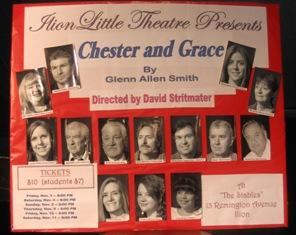
11/7/06- CHESTER AND GRACE (PLAY REVIEW)
OF ALL THE EVENTS SURROUNDING THE CENTENNIAL OF GRACE BROWN'S TRAGIC MURDER AT BIG MOOSE LAKE THAT OCCURRED OVER THE COURSE OF THIS YEAR, NONE HAS BEEN AS EAGERLY ANTICIPATED AS THE ILION LITTLE THEATER'S REVIVAL OF THEIR PLAY, CHESTER AND GRACE, A PLAY THAT WAS ORIGINALLY WRITTEN BY GLEN ALLEN SMITH AND WAS ORIGINALLY PERFORMED BY THE CORTLAND REPERTORY THEATER. THE ILION LITTLE THEATER ORIGINALLY PERFORMED THE PLAY IN 1999 AND AGAIN IN 2001, AND SINCE THIS YEAR MARKED THE ANNIVERSARY OF GRACE'S DEATH, THIS REVIVAL COULD NOT HAVE COME AT A BETTER TIME.
I ATTENDED THE OPENING NIGHT PERFORMANCE LAST FRIDAY NIGHT AND I WAS REALLY IMPRESSED WITH THE WHOLE PLAY. THAT NIGHT ALSO WAS MY FIRST TIME IN THE STABLES THEATER, WHERE THE PLAY WAS HELD. I HAD LIVED IN ILION THREE YEARS AGO, BUT I HAD NO IDEA THAT I LIVED RIGHT DOWN THE ROAD FROM THE THEATER UNTIL THE FIRST REENACTMENT PERFORMANCE BECAUSE I USED TO LIVE NEAR THE REMINGTON ARMS WHEN I LIVED IN ILION BEFORE I MOVED TO HERKIMER AND BEFORE I LEARNED ABOUT THE GILLETTE CASE.
ANYWAY, BACK TO THE REVIEW. I COULD NOT HAVE THOUGHT OF ANYTHING BETTER TO DO THAT WEEKEND THAN TO GO TO SEE THIS PLAY. THIS PLAY WAS PERHAPS THE BEST PLAY THAT I HAVE SEEN AND PROBABLY WILL EVER SEE IN MY LIFE. WORDS CANNOT DESCRIBE THIS EXPERIENCE. I WISH THAT I COULD HAVE GONE TO HIGH SCHOOL PLAYS AT LEAST HALF AS GOOD AS THIS.
BASICALLY, I WAS VERY IMPRESSED WITH THE ACTING. MOST OF THE ORIGINAL CAST MEMBERS FROM THE 1999 PLAY RETURNED FOR THE REVIVAL, INCLUDING JENNIFER SCHANTZ (GRACE) AND ART WILKS (AUSTIN KLOCK, WHO WAS IN THIS SUMMER'S "THE PEOPLE VS. GILLETTE"), BOTH WHOM I HAVE SERVED ON THE CENTENNIAL COMMITTEE WITH.
AS FAR AS THE PREVIOUS INCARNATIONS OF GRACE ON STAGE AND SCREEN GOES, THERE IS NO TOPPING JENNIFER'S PERFORMANCE. SHE BROUGHT OUT GRACE'S TRUE CHARACTER ON THAT STAGE SUCCESSFULLY. SHE ALSO HAD A LOT OF THE MOST POWERFUL AND HEARTBREAKING SCENES IN THE PLAY, INCLUDING A MOMENT IN THE PLAY WHERE GRACE KNEELS ON THE STAGE, CRYING AND HOLDING A WRAPPED JAR, AS WELL AS SCENES WHERE CHESTER (PLAYED BY JACK CARNEY) IS TRYING TO GET HER TO GET RID OF THEIR BABY. I WAS IMPRESSED WITH HOW AUTHENTIC AND REALISTIC THOSE SCENES WERE WRITTEN.
ONE THING THAT I'VE GOTTA SAY ABOUT JACK'S INTERPERTATION OF CHESTER IS THAT NOT ONLY DID HE LOOK THE PART, BUT HE ALSO HAD CHESTER'S PERSONALITY DOWN PAT: THE "BAD BOY" AS OPPOSED TO GRACE'S "GOOD GIRL" IMAGE. HIS SCENES WITH HIS MOTHER (PLAYED BY COLLEEN SCHULTS) WERE ALSO PRETTY WELL WRITTEN, AS ARE HIS SCENES WITH D.A. WARD (PLAYED HERE BY BOB DeCARLO) AND DEFENSE ATTORNEY MILLS (JOHN CAMPONERA). I ALSO THOUGHT THE TUG-OF-WAR SCENE OVER THE TENNIS RACKET WAS REALLY FUNNY TOO.
IN ADDITION TO THE TWO LEADS, THERE WERE SOME OTHER STAND-OUT PERFORMANCES, INCLUDING OF COURSE, ART WILKS, AGAIN PLAYING KLOCK WITH THE SAME HUMOR AND WIT THAT WE SAW IN THE PEOPLE VS. GILLETTE THIS PAST SUMMER. THERE WAS ALSO A STAND-OUT PERFORMANCE FROM RISING-STAR EMMA HEMPLE, WHOSE CHARACTER, LUCILLE GILLETTE (CHESTER'S YOUNGER SISTER) SEEMS TO ENJOY THE LIMELIGHT AT HER BROTHER'S EXPENSE.
THE PLAY ALSO CONTAINS THE SONG "ENTREATING," WRITTEN IN 1907 AND BASED ON GRACE'S LOVE LETTERS. THAT SONG IS PERFORMED BY THE CAST AT THE OPENING OF ACT 2. THE FOLK SONG, "THE BALLAD OF CHESTER AND GRACE," IS ALSO PERFORMED IN VARIOUS SPOTS DURING THE SHOW BY THE PLAY'S NARRATORS, KNOWN AS THE "THREE C'S," WHO ALSO FUNCTION AS MUSES IN VARIOUS SCENES. ALSO, LISTEN FOR THE SONG, "WON'T YOU COME HOME, BILL BAILEY?," WHICH IS KNOWN AS THE SONG THAT EARNED GRACE HER NICKNAME, "BILLY."
THE PLAY'S DIRECTOR, DAVID STRITMATER, WHO ALSO DIRECTED THE 1999 PRODUCTION, DID AN EXCELLENT JOB WITH THIS PRODUCTION. IT IS DEFINITELY WORTH THE PRICE OF ADMISSION. IF YOU HAVE NOT BEEN TO ANY OF THE EVENTS OF THIS PAST SUMMER AND ARE INTERESTED IN THE STORY OF CHESTER AND GRACE, YOU MUST NOT MISS THIS SHOW.
THE NEXT PERFORMANCES OF CHESTER AND GRACE ARE SCHEDULED FOR THURSDAY, NOVEMBER 9; FRIDAY, NOVEMBER 10; AND SATURDAY, NOVEMBER 11 AT 8 P.M. AT THE STABLES THEATER IN ILION.
OF ALL THE EVENTS SURROUNDING THE CENTENNIAL OF GRACE BROWN'S TRAGIC MURDER AT BIG MOOSE LAKE THAT OCCURRED OVER THE COURSE OF THIS YEAR, NONE HAS BEEN AS EAGERLY ANTICIPATED AS THE ILION LITTLE THEATER'S REVIVAL OF THEIR PLAY, CHESTER AND GRACE, A PLAY THAT WAS ORIGINALLY WRITTEN BY GLEN ALLEN SMITH AND WAS ORIGINALLY PERFORMED BY THE CORTLAND REPERTORY THEATER. THE ILION LITTLE THEATER ORIGINALLY PERFORMED THE PLAY IN 1999 AND AGAIN IN 2001, AND SINCE THIS YEAR MARKED THE ANNIVERSARY OF GRACE'S DEATH, THIS REVIVAL COULD NOT HAVE COME AT A BETTER TIME.
I ATTENDED THE OPENING NIGHT PERFORMANCE LAST FRIDAY NIGHT AND I WAS REALLY IMPRESSED WITH THE WHOLE PLAY. THAT NIGHT ALSO WAS MY FIRST TIME IN THE STABLES THEATER, WHERE THE PLAY WAS HELD. I HAD LIVED IN ILION THREE YEARS AGO, BUT I HAD NO IDEA THAT I LIVED RIGHT DOWN THE ROAD FROM THE THEATER UNTIL THE FIRST REENACTMENT PERFORMANCE BECAUSE I USED TO LIVE NEAR THE REMINGTON ARMS WHEN I LIVED IN ILION BEFORE I MOVED TO HERKIMER AND BEFORE I LEARNED ABOUT THE GILLETTE CASE.
ANYWAY, BACK TO THE REVIEW. I COULD NOT HAVE THOUGHT OF ANYTHING BETTER TO DO THAT WEEKEND THAN TO GO TO SEE THIS PLAY. THIS PLAY WAS PERHAPS THE BEST PLAY THAT I HAVE SEEN AND PROBABLY WILL EVER SEE IN MY LIFE. WORDS CANNOT DESCRIBE THIS EXPERIENCE. I WISH THAT I COULD HAVE GONE TO HIGH SCHOOL PLAYS AT LEAST HALF AS GOOD AS THIS.
BASICALLY, I WAS VERY IMPRESSED WITH THE ACTING. MOST OF THE ORIGINAL CAST MEMBERS FROM THE 1999 PLAY RETURNED FOR THE REVIVAL, INCLUDING JENNIFER SCHANTZ (GRACE) AND ART WILKS (AUSTIN KLOCK, WHO WAS IN THIS SUMMER'S "THE PEOPLE VS. GILLETTE"), BOTH WHOM I HAVE SERVED ON THE CENTENNIAL COMMITTEE WITH.
AS FAR AS THE PREVIOUS INCARNATIONS OF GRACE ON STAGE AND SCREEN GOES, THERE IS NO TOPPING JENNIFER'S PERFORMANCE. SHE BROUGHT OUT GRACE'S TRUE CHARACTER ON THAT STAGE SUCCESSFULLY. SHE ALSO HAD A LOT OF THE MOST POWERFUL AND HEARTBREAKING SCENES IN THE PLAY, INCLUDING A MOMENT IN THE PLAY WHERE GRACE KNEELS ON THE STAGE, CRYING AND HOLDING A WRAPPED JAR, AS WELL AS SCENES WHERE CHESTER (PLAYED BY JACK CARNEY) IS TRYING TO GET HER TO GET RID OF THEIR BABY. I WAS IMPRESSED WITH HOW AUTHENTIC AND REALISTIC THOSE SCENES WERE WRITTEN.
ONE THING THAT I'VE GOTTA SAY ABOUT JACK'S INTERPERTATION OF CHESTER IS THAT NOT ONLY DID HE LOOK THE PART, BUT HE ALSO HAD CHESTER'S PERSONALITY DOWN PAT: THE "BAD BOY" AS OPPOSED TO GRACE'S "GOOD GIRL" IMAGE. HIS SCENES WITH HIS MOTHER (PLAYED BY COLLEEN SCHULTS) WERE ALSO PRETTY WELL WRITTEN, AS ARE HIS SCENES WITH D.A. WARD (PLAYED HERE BY BOB DeCARLO) AND DEFENSE ATTORNEY MILLS (JOHN CAMPONERA). I ALSO THOUGHT THE TUG-OF-WAR SCENE OVER THE TENNIS RACKET WAS REALLY FUNNY TOO.
IN ADDITION TO THE TWO LEADS, THERE WERE SOME OTHER STAND-OUT PERFORMANCES, INCLUDING OF COURSE, ART WILKS, AGAIN PLAYING KLOCK WITH THE SAME HUMOR AND WIT THAT WE SAW IN THE PEOPLE VS. GILLETTE THIS PAST SUMMER. THERE WAS ALSO A STAND-OUT PERFORMANCE FROM RISING-STAR EMMA HEMPLE, WHOSE CHARACTER, LUCILLE GILLETTE (CHESTER'S YOUNGER SISTER) SEEMS TO ENJOY THE LIMELIGHT AT HER BROTHER'S EXPENSE.
THE PLAY ALSO CONTAINS THE SONG "ENTREATING," WRITTEN IN 1907 AND BASED ON GRACE'S LOVE LETTERS. THAT SONG IS PERFORMED BY THE CAST AT THE OPENING OF ACT 2. THE FOLK SONG, "THE BALLAD OF CHESTER AND GRACE," IS ALSO PERFORMED IN VARIOUS SPOTS DURING THE SHOW BY THE PLAY'S NARRATORS, KNOWN AS THE "THREE C'S," WHO ALSO FUNCTION AS MUSES IN VARIOUS SCENES. ALSO, LISTEN FOR THE SONG, "WON'T YOU COME HOME, BILL BAILEY?," WHICH IS KNOWN AS THE SONG THAT EARNED GRACE HER NICKNAME, "BILLY."
THE PLAY'S DIRECTOR, DAVID STRITMATER, WHO ALSO DIRECTED THE 1999 PRODUCTION, DID AN EXCELLENT JOB WITH THIS PRODUCTION. IT IS DEFINITELY WORTH THE PRICE OF ADMISSION. IF YOU HAVE NOT BEEN TO ANY OF THE EVENTS OF THIS PAST SUMMER AND ARE INTERESTED IN THE STORY OF CHESTER AND GRACE, YOU MUST NOT MISS THIS SHOW.
THE NEXT PERFORMANCES OF CHESTER AND GRACE ARE SCHEDULED FOR THURSDAY, NOVEMBER 9; FRIDAY, NOVEMBER 10; AND SATURDAY, NOVEMBER 11 AT 8 P.M. AT THE STABLES THEATER IN ILION.
Friday, October 27, 2006
10/27/06- Ghosts
Since this is the time of year for stories about ghosts and haunted places, I figured that I would tell a little ghost tale today. Ghosts have more commonly been associated with historic events including wars, disasters, and of course murder cases. So it is only natural that ghost stories have emerged about the Gillette case.
For years after the famous murder of Grace Brown at Big Moose Lake in 1906 and the trial and execution of Chester Gillette in 1908, ghost stories have emerged about the case in locations that related to the case, including the courthouse and the 1834 Jail in Herkimer as well as Big Moose Lake itself.
The Gillette-related ghost stories started as early as 1909 and it also tied in with the sudden disappearance of the boat where the murder took place. It had been sitting in the courthouse since the trial ended and suddenly it was gone. One of the stories that surrounded the disappearance of the boat is that one day, people claimed to have seen ghostly images of a man and a woman in the boat and suddenly the ghostly man attacked the woman, who let out a loud shriek. Then they disappeared. Whether or not people had seen a ghostly reenactment of the murder remains a mystery.
And of course you all have heard the story of Grace's ghost at Big Moose Lake, right? It is one of the most famous ghost stories in New York State history. Over the years, people who have gone to Big Moose Lake have claimed to have experienced some unusual activity and sometimes claimed to have seen an image of a young woman in Victorian-era garb floating around the lake. Many have experienced a really strong feeling of sadness from the spirit, as though the ghost was mourning the circumstances that led to her death.
The most famous encounter was in 1988 when two women claimed to have seen Grace's ghost. That encounter led to a segment of the TV show "Unsolved Mysteries" that aired in January 1996.
Even today, the ghost stories of the Gillette case capture the imagination of the public as much as the love letters, Theodore Dreiser's "An American Tragedy," and the film "A Place in the Sun" have done. It keeps people guessing and it is always open to speculation. People believe what they want and it is always interesting, especially since this is Halloween season after all.
Oooooooooh...
For years after the famous murder of Grace Brown at Big Moose Lake in 1906 and the trial and execution of Chester Gillette in 1908, ghost stories have emerged about the case in locations that related to the case, including the courthouse and the 1834 Jail in Herkimer as well as Big Moose Lake itself.
The Gillette-related ghost stories started as early as 1909 and it also tied in with the sudden disappearance of the boat where the murder took place. It had been sitting in the courthouse since the trial ended and suddenly it was gone. One of the stories that surrounded the disappearance of the boat is that one day, people claimed to have seen ghostly images of a man and a woman in the boat and suddenly the ghostly man attacked the woman, who let out a loud shriek. Then they disappeared. Whether or not people had seen a ghostly reenactment of the murder remains a mystery.
And of course you all have heard the story of Grace's ghost at Big Moose Lake, right? It is one of the most famous ghost stories in New York State history. Over the years, people who have gone to Big Moose Lake have claimed to have experienced some unusual activity and sometimes claimed to have seen an image of a young woman in Victorian-era garb floating around the lake. Many have experienced a really strong feeling of sadness from the spirit, as though the ghost was mourning the circumstances that led to her death.
The most famous encounter was in 1988 when two women claimed to have seen Grace's ghost. That encounter led to a segment of the TV show "Unsolved Mysteries" that aired in January 1996.
Even today, the ghost stories of the Gillette case capture the imagination of the public as much as the love letters, Theodore Dreiser's "An American Tragedy," and the film "A Place in the Sun" have done. It keeps people guessing and it is always open to speculation. People believe what they want and it is always interesting, especially since this is Halloween season after all.
Oooooooooh...
Wednesday, September 06, 2006
9/6/06- Announcements
I figured that I would take the opportunity to make a couple of announcements today in regards to this site and to the year of the Gillette centennial.
First off, it has been five months since I started this site on Blogger and the feedback that I have received in regards to it have been largely positive. I would like to take the opportunity to thank everyone who has viewed the site for their praise and their comments. I do have more on tap in the coming months as I have stated before so stay tuned. This site is open to the public so all comments are welcome.
In other Gillette-related news, I received word the other day that the summer events in regards to the centennial have been very successful in terms of tourism and profitability. Of course now there is a three-month hiatus until the next event: The Ilion Little Theater Club's play "Chester and Grace," as well as a dedication ceremony where a historic marker will be placed at the 1834 Jail where Chester stayed during his trial.
However, my work on the case is not done yet. I am now entering my fourth week of research because now I am developing a non-fiction book on the case.That's right, you heard it here first folks. I am writing a book. The book will basically cover the whole case and how it became Theodore Dreiser's novel, "An American Tragedy." There will also be some additional things, including the opera, Jennifer Donnelly's novel, "A Northern Light," the events of the centennial year, and so much more. I will post more on it from time to time.
So anyway, that is all the reporting I have to do now. I just wanted to take the opportunity to thank everyone for the support they gave me throughout the course of the whole year since I have been involved with the case and I hope that I can continue to be on the case for some time to come.
First off, it has been five months since I started this site on Blogger and the feedback that I have received in regards to it have been largely positive. I would like to take the opportunity to thank everyone who has viewed the site for their praise and their comments. I do have more on tap in the coming months as I have stated before so stay tuned. This site is open to the public so all comments are welcome.
In other Gillette-related news, I received word the other day that the summer events in regards to the centennial have been very successful in terms of tourism and profitability. Of course now there is a three-month hiatus until the next event: The Ilion Little Theater Club's play "Chester and Grace," as well as a dedication ceremony where a historic marker will be placed at the 1834 Jail where Chester stayed during his trial.
However, my work on the case is not done yet. I am now entering my fourth week of research because now I am developing a non-fiction book on the case.That's right, you heard it here first folks. I am writing a book. The book will basically cover the whole case and how it became Theodore Dreiser's novel, "An American Tragedy." There will also be some additional things, including the opera, Jennifer Donnelly's novel, "A Northern Light," the events of the centennial year, and so much more. I will post more on it from time to time.
So anyway, that is all the reporting I have to do now. I just wanted to take the opportunity to thank everyone for the support they gave me throughout the course of the whole year since I have been involved with the case and I hope that I can continue to be on the case for some time to come.
Wednesday, August 30, 2006
8/30/06- We Meet At Last

Last weekend, I had the pleasure of going on a bus trip that was sponsored by the Herkimer County Historical Society to the sites in Cortland and South Otselic, NY that related to the Gillette Murder Case. It was another major event in the American Tragedy Centennial Year and it is the last one for the next three months until the Ilion Little Theater Club begins the performance run of "Chester and Grace" and the unveiling of the historic marker in front of the 1834 Jail on November 18.
And as you can see, I finally did meet Grace Brown. In a manner of speaking, of course.
Our first stop was to the Cortland County Historical Society where we met Joseph Brownell, the author of "Adirondack Tragedy. " I did get a chance to meet him, got his autograph, and told him about this site. He was very nice and he really knew a lot about the case, most notably about Grace. I learned a lot from him.
After the lecture at the Historical Society, the director came with us on a driving tour of the sites in Cortland. We drove past Grace's boarding house as well as her sister Ada Hawley's house where she stayed when she first arrived in Cortland in late 1904. We also went past Chester's boarding house and the former Gillette Skirt Factory building, which has been a furniture and appliance store for years. I got some good shots of the building. We did not go in the building, but I guess that will be for another time.
After lunch, we drove through DeRuyter, where Chester and Grace caught the train for their trip to the Adirondacks, and arrived at Grace's home in South Otselic, now owned by Robert and Diane Timm. The road that leads up to the farm has since been renamed "Grace Brown Lane" in honor of the house's former occupant. The view from the farm house was the same as I remember from the "Murder in the Adirondacks" book and the house itself was beautiful, despite the fact that the house was being remodeled at the time.
While I was at the house, I started feeling Grace's presence, especially when I passed one of the apple trees on the property. I remembered a photo in "Murder in the Adirondacks" in which a 16-year-old Grace was standing in front of an apple tree. At that point, it all started coming back to me that I was on sacred ground.
Finally we arrived at Valley View Cemetery, located right in town. We had to ascend a flight of moss-covered stairs and walked through the cemetery until we finally got to the Brown family plot and sure enough, there she was. I was actually at the grave that I had only seen in photos before this trip.
We also saw Ada Hawley's grave, which was directly across from Grace's family. We also saw the graves of her best friend/teacher Maude Crumb as well as the grave of her husband, Dr. J. Mott Crumb who represented the Brown family as a witness to Chester's execution in 1908.
Then while the rest of the group went to a peach festival that the town invited us to, I spent an extra twenty minutes or so with Grace in the cemetery. I took a rubbing of the grave that took up about ten minutes or so. I also talked to her a little bit and I may have even cried a little. I guess that once you get to know someone (even someone who's been dead for 100 years), they become a part of you. And I have gotten to know Grace quite well over the course of a year. Of course what was said will remain between myself and Grace.
Before I left, I laid down the flowers that I bought for her before I caught the bus. This time, I delivered them myself and I took a couple more photos of the grave before I said goodbye to her. Hopefully, I will go back there someday and see her again.
All in all, the trip was a bit of a soul-searching experience for me, not to mention that it will be very helpful in finding information so that I can start my book. As a result of everything that has happened, I now believe that me finding out about this case was not an accident. It was fate that led me to the Gillette case and it looks like I am here to stay for the time being.


Tuesday, August 22, 2006
8/22/06- Summer of '06

As the year of the Gillette Centennial begins to wind down, let me bring you up to speed as to what has happened during the course of the last few weeks.
On July 21, there was another performance of the Ilion Little Theater production, "The People vs. Gillette" at the very same Herkimer County Courthouse where nearly 100 years earlier (the trial happened in November), Chester Gillette was on trial for his life for the murder of Grace Brown. There were some differences at the courthouse performance, such as the addition of the jury box, not present at the Herkimer County Community College performances. Herkimer County Sheriff Chris Farber served as the jury foreman and delivered the guilty verdict to the actor playing Chester Gillette.

There was also another performance at HCCC the night after the courthouse performance and again I attended. I ended up getting autographs from both the cast and crew of the reenactments. They did a really wonderful job and I was glad to be a part of this major piece of history.
This Saturday, I will be going on the bus trip that is being sponsored by the Herkimer County Historical Society that will take me to Cortland and South Otselic that relate to the case, including Grace's house and grave site. In addition to photos, I will be taking a rubbing of her grave. I can't wait.
I also have a lot of things on tap here that will be coming up in the coming months, including the "Dreiser Story," as well as various other things that pertain to the case that will eventually lead up to the Ilion Little Theater Club's upcoming production "Chester and Grace." The year of the American Tragedy is not over yet.
Wednesday, August 09, 2006
8/9/06- An Easy Death

Auburn Prison. March 30, 1908. 3:45 am.
Two guards entered the cell block known as "Murderer's Row" and walked to the cell closest to a large metal door containing a room where no prisoner would ever return. Once they arrived, they awoke the prisoner that resided in that cell and handed him a new prison uniform. This uniform was designed with slits in the sleeves and trouser legs to allow the electrode straps to be fastened to the prisoner's wrists and ankles before the prisoner was executed.
Two hours later, the guards came back and announced that it was time for the prisoner to be led to the electric chair. The other cells on Murderer's Row had to close a curtain over each cell to prevent the other inmates from seeing what was going on, but they didn't need to see what was going on, for soon it would be their turn. Then, Chester Gillette stepped out of his cell along with his spiritual adviser, the Reverend Henry MacIllravy of Little Falls and the prison chaplain to begin the final walk to the electric chair.
The witnesses were all gathered in the execution chamber to see Chester pay the ultimate penalty for the murder of his pregnant lover, Grace Brown. Among them was Austin Klock, who by then was Sheriff of Herkimer County. He was there because Chester wanted him to be there to witness his execution. Representing Grace and her family at the execution was Dr. J. Mott Crumb, the South Otselic town doctor and husband of her teacher and best friend. They could hear the two clergymen reciting the 23rd Psalm as the small procession entered the chamber ahead of Chester, who was flanked by the two guards.
As he did at his trial, Chester displayed no emotion as he calmly walked to the chair and sat down. The guards fastened the straps to his wrists and ankles and fastened the metal cap to his head.
At 6:14 am, the warden gave the order to proceed. The execution threw the switch sending 1800 volts of electricity through the wires to the chair. The witnesses then saw Chester lurch suddenly in the chair and his body shuddered continuously for about a minute before the warden gave the order to cut the power. After the power was turned off, Chester slumped back into the chair. The doctors then examined his body to make sure that the execution was successful.
By 6:18 am, it was official. Chester Ellsworth Gillette became the twenty-seventh victim of Auburn's electric chair. He was only 24 years old. He had been in Auburn for fifteen months.
After the execution, Klock made a statement that he was relieved that Chester was finally out of his misery, while Dr. Crumb commented that he had never seen anything as easy as Chester's execution. The prison officials stated that Chester's execution was the most successful execution in the prison's history. MacIllravy gave the press Chester's final statement (which did not contain a confession) and stated that no legal mistake was made in his execution.
After an autopsy was performed in which his brain was removed, Chester's body was returned to his family for burial. The next day, accompanied by his family and MacIllravy, Chester's body was taken to Soule Cemetery, on the outskirts of Auburn and was buried in an unmarked grave. To this day, no one really knows where it is. A couple of days later, Chester's family gathered Chester's final belongings and left New York State only to fade into history.
Grace Brown remained buried in Valley View Cemetery in South Otselic, where she was buried the day after Chester's arrest in Inlet. Unlike Chester, her grave has a headstone which says that she is "at rest."
Or is she?
Tuesday, July 25, 2006
7/25/06- THE LAST DAYS
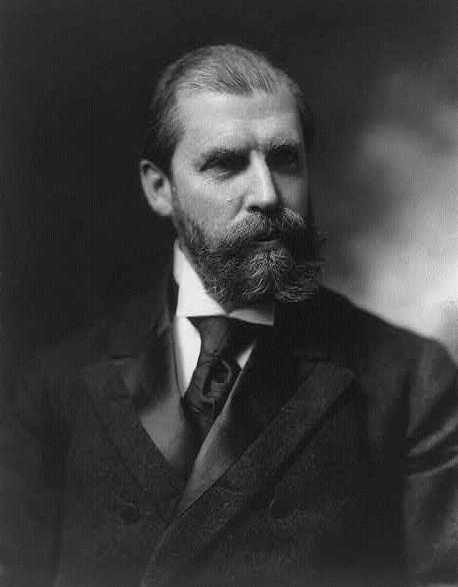
THE GILLETTE FAMILY WAS REALLY DESPERATE NOW. THEIR OLDEST SON, CHESTER'S APPEAL FOR A NEW TRIAL HAS BEEN DENIED BY THE NEW YORK STATE COURT OF APPEALS. HIS SENTENCE TO DEATH IN THE ELECTRIC CHAIR FOR THE MURDER OF GRACE BROWN HAD NOT ONLY BEEN UPHELD, BUT IT WAS OFFICIALLY SCHEDULED FOR MARCH 30, 1908, WHICH DID NOT GIVE THEM ENOUGH TIME TO TRY ONE MORE THING THAT COULD SAVE THEIR SON'S LIFE, AND THAT WAS GOING DIRECTLY TO THE GOVERNOR OF NEW YORK STATE, CHARLES EVANS HUGHES.
AND SO WITH WEEKS TO GO BEFORE BEFORE THEIR SON'S EXECUTION, FRANK AND LOUISA GILLETTE, ALONG WITH THEIR 14-YEAR-OLD SON, PAUL, BOARDED A TRAIN AT THE STATION IN DENVER, COLORADO FOR THE THREE-DAY JOURNEY BACK TO NEW YORK STATE.
MEANWHILE, BACK IN AUBURN, THE WARDEN OF AUBURN PRISON INFORMED CHESTER OF THE COURT OF APPEALS' DECISION. ALTHOUGH HE TOOK THE NEWS CALMLY, CHESTER HAD DISPLAYED A HINT OF BITTERNESS THAT THE SYSTEM HAD FAILED HIM LIKE THAT. IN A LATER STATEMENT, HE SAID, "I DON'T BELIEVE THAT I AM ONE-HUNDREDTH AS GUILTY AS HARRY THAW, BUT THERE IS NOTHING BEFORE ME BUT THE ELECTRIC CHAIR, AND LOOK AT HIM, WITH FREEDOM JUST AHEAD OF HIM. HUNDREDS SAW HIM FIRE THE SHOT THAT KILLED (SANFORD) WHITE AND THEY WANT TO ELECTROCUTE ME ON CIRCUMSTANTIAL EVIDENCE."
THE "HARRY THAW" THAT CHESTER REFERRED TO WAS THE OTHER MAJOR MURDER CASE IN 1906. IN JUNE OF 1906, A MONTH BEFORE CHESTER KILLED GRACE AT BIG MOOSE LAKE, ECCENTRIC PLAYBOY HARRY THAW GUNNED DOWN WELL-KNOWN ARCHITECT SANFORD WHITE IN NEW YORK CITY BECAUSE THE LATTER MADE A PLAY FOR A 16-YEAR-OLD SHOWGIRL WHOM HARRY LOVED AND LATER MARRIED. DURING HIS TRIAL, HE USED THE INSANITY PLEA, MAINLY BECAUSE HE WAS UNDER THE INFLUENCE OF DRUGS, AND SUCCESSFULLY EVADED A MURDER CHARGE AND A TRIP TO THE CHAIR.
WHEN THE GILLETTE CASE OVERSHADOWED THE THAW CASE, EVERYONE WAS CONVINCED THAT CHESTER WOULD FOLLOW THE SAME COURSE AS HARRY THAW AND USE THE INSANITY PLEA, BUT DISTRICT ATTORNEY GEORGE WARD ANTICIPATED IT AND REQUESTED A SANITY TEST. SOME OF THE METHODS USED INVOLVED THE USE OF NEEDLES AND EVEN A WEIGHT WAS DROPPED ON HIS FOOT. BASICALLY CONSIDERED INQUISITION-STYLE, BUT CHESTER WAS CONSIDERED SANE AND WAS THEREFORE CONVICTED.
THE FAMILY ARRIVED AT AUBURN AND WAS REUNITED WITH CHESTER. FOR HIS FATHER AND YOUNGER BROTHER, IT WAS THE FIRST TIME THAT THEY HAD SEEN CHESTER IN THREE YEARS. AFTER THE REUNION, THE FAMILY SPLIT UP AND WENT TO CORTLAND AND HERKIMER TO GET SOME NEW EVIDENCE AND SUPPORTERS TO HELP THEM PETITION TO GOVERNOR HUGHES. THEY HAD NEARLY GIVEN UP ALL HOPE THAT CHESTER WOULD EVER GET A NEW TRIAL, BUT THEIR GOAL NOW WAS TO GET HIS SENTENCE COMMUTED TO LIFE IN PRISON. IT WAS ONE OF THE MANY POWERS THAT THE GOVERNOR HAD IN CAPITAL CRIMINAL CASES.
TWO DAYS BEFORE THE EXECUTION, THE GILLETTE FAMILY ARRIVED AT THE GOVERNOR'S MANSION IN ALBANY AND PRESENTED THEIR CASE TO GOVERNOR HUGHES. LOUISA PRESENTED SOME SHOCKING NEW EVIDENCE THAT GRACE'S DEATH WAS THE RESULT OF EPILEPSY. THERE WERE CO-WORKERS THAT CLAIMED TO BACK UP LOUISA'S NEW THEORY AND TESTIFIED THAT THEY SAW GRACE SUFFER SEIZURES AND SPASMS FROM TIME TO TIME. HOWEVER, THAT CLAIM WAS LATER DISCREDITED. THEN THERE WAS A RATHER ODD TESTIMONY FROM A 20-YEAR-OLD SCOTIA MAN THAT CLAIMED THAT HE HAD SEX WITH GRACE AND THAT HE WAS THE ONE WHO GOT HER PREGNANT. HE ALSO CLAIMED TO HAVE PAID HER SOME HUSH MONEY TO BLAME THE PREGNANCY ON CHESTER. HE WAS DISMISSED BY THE GOVERNOR AS A PUBLICITY-SEEKER. HE LATER FLED THE COUNTRY AFTER LEARNING THAT THERE WAS A WARRANT OUT FOR HIS ARREST.
WHILE AWAITING HUGHES' DECISION, THE GILLETTES RETURNED TO AUBURN WHERE THEY MET WITH CHESTER FOR THE LAST TIME. LOUISA ASKED HIM IF THERE WAS ANYTHING THAT HE NEEDED TO CONFESS TO HER, HE HAD TO DO IT BEFORE HE DIED. CHESTER REPLIED THAT HE ALREADY CONFESSED TO GOD AND TO HIS SPIRITUAL ADVISOR. LOUISA INSISTED THAT IT WAS NOT ENOUGH AND THAT HE HAD TO CONFESS TO HER TOO, BUT CHESTER DID NOT. AFTER SHE LEFT, LOUISA BEGAN TO DOUBT THAT CHESTER WAS INNOCENT OF THE MURDER CHARGE.
CHESTER SPENT THAT LAST DAY TYPING UP FINAL LETTERS TO HIS FAMILY AS WELL AS HIS FINAL STATEMENT. IN A LETTER TO HIS BROTHER, PAUL, CHESTER ENCLOSED A PHOTO OF GRACE AS A WARNING TO HIM NOT TO SUCCUMB TO HIS SAME FATE AS THE RESULT OF TEMPTATION.
THAT NIGHT, GOVERNOR HUGHES, WHO REJECTED LOUISA'S PLEA FOR CLEMENCY, POSSIBLY BECAUSE OF THE FACT THAT HE WAS CONSIDERED TO BE IN THE RUNNING FOR PRESIDENT OF THE UNITED STATES, CALLED THE PRISON AND TALKED TO THE WARDEN, BUT THE NATURE OF THE CALL WAS UNKNOWN. HAD HE DECIDED TO INTERVENE AFTER ALL? OR WAS HE CALLING TO MAKE SURE EVERYTHING WAS READY FOR THE EXECUTION THE NEXT DAY? WE'LL NEVER KNOW, BUT ONE THING WAS FOR CERTAIN. MARCH 30, 1908 WAS GOING TO BE A BIG DAY INDEED.
Saturday, July 15, 2006
7/15/06- In Loving Memory

It has been a very trying week with the memorial for Grace Brown happening this past Tuesday at Big Moose Lake in the Adirondacks. About 200 people witnessed the memorial wreath being placed in the lake that day, including descendants of Grace herself. Unfortunately, I was not one of them. Due to work commitments, I could not attend and I was very devastated about that. As I mentioned in my last blog, I made arrangements to have a dozen red roses sent up to the lake, along with a brief message to Grace.
In addition to posting my last entry, I spent that unhappy Tuesday thinking about Grace. I am not related to her in any way, but I certainly felt terrible about not being there. I found nearly every thought that I had that day to be about her. I could hardly get to sleep and I was so choked up. I have only been involved with Grace's story for a year as of this past Wednesday and I haven't really known about Grace that long, but I felt like I have lost someone very close to me.
In a way, I have but at the same time, I feel as though I gained one as well. It is as if Grace has become a permanent part of me.
Since then, I have been trying to take it easy as I go through the mourning process, which is why I haven't posted anything since that day. I have posted a brief memorial blog on my Yahoo 360 site, but other than that, I have been trying to take it easy as I go through this period.
I also watched news reports in connection with that day and I learned that Grace's relative did not know about his relation to her until the day he had to read Theodore Dreiser's novel, "An American Tragedy" in college. At first he told his father that the book was all right, but it wasn't until his father told him that the book was about his grandmother's sister (Grace) that he became interested in the book.
When he came to Big Moose that day, he brought with him several of Grace's personal effects, including her school-age diary, her baby cradle, and a lock of her hair.
Hopefully, Grace received my flowers and my message to her and hopefully the day will come when I will finally be able to go up to Big Moose and I will finally be able to pay my respects to the famous young writer from Chenango County who has captured not only the hearts of dozens of people all over the world but mine as well.
And now that the memorial is over, I can finally get back to the story of Chester Gillette's last days, but that will have to wait until sometime next week.
Tuesday, July 11, 2006
7/11/06- A Tragic Anniversary

Well, it's here at last. Today is officially the 100th anniversary of Grace Brown's tragic murder at Big Moose Lake at the the hands of her one-time lover, Chester Gillette, an event that historians have referred to as "The Murder That Will Never Die."
Today, thousands of people from all over the country will be at the site where Grace was killed. The events that they have planned include the unveiling of a historic marker at the site of the Glenmore Hotel where Chester and Grace embarked on their fatal rowboat ride, as well as a stamp cancellation where a stamp commemorating the murder's anniversary will be revealed. There will also be boat tours on the lake during the day following the route that Chester and Grace took in the rowboat. There will also be a book signing by Craig Brandon, the leading expert on the case and author of the books "Murder in the Adirondacks" and most recently, "Grace Brown's Love Letters."
The main event will happen in the afternoon when boats will gather at the site where Grace's body was found on July 12, 1906. The final letter will be recited and a memorial wreath will be placed in the lake by a descendant of Marjorie Carey, the woman who heard Grace's final scream. Descendants of the key players in the case will be in the boat, including Grace's descendants.
Sadly, I will not be up there due to work commitments that I could not get out of. That is why I am online here at the library instead of up there. However, I decided to make a last minute addition. I arranged to have a dozen red roses sent up to be put in the lake along with the wreath. I got this idea from her letters in which she stated that she loved red roses. The roses are basically to let Grace know that even though I could not be up there for her memorial, it will at least let her know that I haven't forgotten her.
When I delivered them to the Historical Society yesterday morning, I was told that by buying the roses, I had done the best thing possible for Grace. Even though I could not be up there, I may still have another chance to pay my respects to Grace in August when I go on the bus trip because one of the stops is to her grave in South Otselic. Then I was offered the suggestion that if I ever did go to Big Moose Lake that it would be best if I went alone so that it would be a private matter between myself and Grace. In some ways, I do think that it would be the best thing for me to do.
Tomorrow is another anniversary of sorts. Tomorrow is the one-year anniversary of the day I became involved with the Gillette Case when I stumbled upon that newspaper clipping. Since then I have learned enough via the books on the case and the Internet to launch this site. Also in the process, I found myself developing feelings for Grace, especially after receiving a copy of the final letter. It is like she has become a permanent part of me.
In closing, I would like to say one more thing. To Grace, wherever you are, I hope that you like the flowers that I sent up for you. May you continue to rest in peace.
Wednesday, July 05, 2006
7/5/06- THE FINAL LETTER
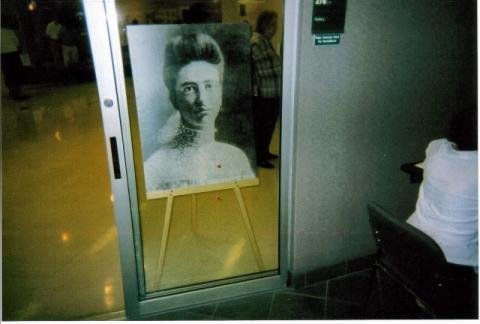
MY ORIGINAL PLANS FOR TODAY AFTER MY FOUR-DAY WEEKEND WAS TO GO BACK TO THE STORY OF CHESTER GILLETTE'S LAST DAYS, BUT THEN I REALIZED THAT TODAY'S DATE, JULY 5, MARKS THE 100TH ANNIVERSARY OF THE NIGHT THAT GRACE BROWN WROTE HER IMMORTAL FINAL LETTER TO HIM BEFORE SHE WENT UP ON HER FATAL TRIP TO THE ADIRONDACKS. UPON REALIZING THIS, I REALIZED THAT TODAY, I WOULD RECOPY THE LETTER THAT HAD BEEN NAMED ONE OF THE GREATEST LOVE LETTERS OF THE 20TH CENTURY. SO WITHOUT FURTHER ADIEU, HERE IT IS, COMPLETE, UNCUT, AND UNEDITED.
"MY DEAR CHESTER:
I AM CURLED UP BY THE KITCHEN FIRE AND YOU WOULD SHOUT IF YOU COULD SEE ME. EVERYONE ELSE IS IN BED. THE GIRLS CAME UP AND WE HAVE SHOT THE LAST FIRECRACKERS AND OUR LAWN LOOKS ABOUT AS GREEN AS THE CORTLAND HOUSE CORNER. I WILL TELL YOU ALL ABOUT MY FOURTH WHEN I SEE YOU. I HOPE YOU HAD A NICE TIME.
THIS IS THE LAST LETTER I CAN WRITE DEAR. I FEEL AS THOUGH YOU WERE NOT COMING DEAR. PERHAPS THAT IS NOT RIGHT, BUT I CAN'T HELP FEELING THAT I AM NEVER GOING TO SEE YOU AGAIN. HOW I WISH THIS WAS MON.
I AM GOING DOWN AND STAY WITH MAUDE NEXT SUN. NIGHT, DEAR AND THEN GO TO DE RUYTER THE NEXT MORNING AND WILL GET THERE ABOUT TEN O'CLOCK. IF YOU TAKE THE 9:45 TRAIN FROM THE LEHIGH THERE, YOU WILL GET THERE AT ABOUT ELEVEN. I AM SORRY I COULD NOT GO TO HAMILTON, DEAR, BUT PAPA AND MAMA DID NOT WANT ME TO AND THERE ARE SO MANY THINGS I HAVE HAD TO WORK HARD FOR IN THE LAST TWO WEEKS. THEY THINK THAT I AM JUST GOING DOWN TO DE RUYTER FOR A VISIT.
NOW, DEAR, WHEN I GET THERE, I WILL GO AT ONCE TO THE HOTEL AND I DON'T THINK THAT I WILL SEE ANY OF THE PEOPLE. IF I DO, AND THEY ASK ME TO COME TO THE HOUSE, I WILL SAY SOMETHING SO THAT THEY WILL NOT MISTRUST ANYTHING. TELL THEM THAT I HAVE A FRIEND COMING FROM CORTLAND AND THAT WE WERE TO MEET THERE TO GO TO A FUNERAL OR WEDDING IN SOME TOWN FARTHER ALONG. AWFULLY STUPID, BUT WE WERE INVITED TO COME AND AS I HAD TO CUT MY VACATION A LITTLE SHORT AND GO. WILL THAT BE ALL O.K., DEAR? MAYBE THAT WOULD BE JUST WHAT I WILL SAY BUT DON'T WORRY ABOUT ANYTHING FOR I WILL MANAGE SOMEHOW.
ONLY I WANT YOU TO COME IN THE MORNING FOR I DON'T WANT TO WAIT THERE IN THE HOTEL ALL DAY FOR IF THEY SHOULD SEE ME THERE AND ALL DAY THEY WOULD THINK FUNNY I DID NOT GO TO THE HOUSE. YOU MUST COME IN THE MORNING FOR I HAVE HAD TO MAKE- YOU DON'T KNOW HOW MANY NEW PLANS SINCE YOUR LAST LETTER- IN ORDER TO MEET YOU MON. I DISLIKE WAITING UNTIL MON., BUT NOW THAT I HAVE, I DON'T THINK IF ANYTHING ONLY FAIR THAT YOU SHOULD COME UP MON. MORNING.
BUT DEAR, YOU MUST SEE THE NECESSITY YOURSELF OF GETTING THERE AND NOT MAKING ME WAIT. IF YOU DISLIKE THE IDEA OF COMING MON. MORNING AND CAN GET A TRAIN UP THERE SUN. NIGHT, YOU COULD COME UP SUN. NIGHT AND BE THERE TO MEET ME. PERHAPS THAT WOULD BE THE BEST WAY. ALL I CARE IS I DON'T WANT TO WAIT THERE ALL DAY OR A HALF DAY. I THINK THERE IS A TRAIN THAT LEAVES THE LEHIGH AT SIX-SOMETHING SUN. NIGHT. I DON'T KNOW WHAT WOULD DO IF YOU WERE NOT THERE OR DID NOT COME. I AM ABOUT CRAZY NOW.
I HAVE BEEN BIDDING GOODBYE TO SOME PLACES TODAY. THERE ARE SO MANY NOOKS, DEAR, AND ALL OF THEM SO DEAR TO ME. I HAVE LIVED HERE NEARLY ALL MY LIFE. FIRST, I SAID GOODBYE TO THE SPRING HOUSE WITH ITS GREAT MASSES OF GREEN MOSS, THEN THE APPLE TREE WHERE WE HAD OUR PLAYHOUSE, THEN THE "BEEHIVE," A CUTE LITTLE HOUSE IN THE ORCHARD, AND OF COURSE, ALL THE NEIGHBORS WHO HAVE MENDED MY DRESSES FROM A LITTLE TOT UP TO SAVE ME A THRASHING I REALLY DESERVED.
OH! DEAR, YOU DON'T KNOW WHAT ALL OF THIS IS TO ME. I KNOW I SHALL NEVER SEE ANY OF THEM AGAIN. AND MAMA- GREAT HEAVENS- HOW I DO LOVE MAMA. I DON'T KNOW WHAT I WILL DO WITHOUT HER. SHE IS NEVER CROSS AND SHE ALWAYS HELPS ME SO MUCH. SOMETIMES I THINK IF I COULD TELL MAMA, BUT I CAN'T. SHE HAS TROUBLE ENOUGH AS IT IS AND I COULDN'T BREAK HER HEART LIKE THAT. IF I COME BACK DEAD PERHAPS, IF SHE DOES KNOW, SHE WON'T BE ANGRY WITH ME. I WILL NEVER BE HAPPY AGAIN, DEAR. I WISH I COULD DIE. YOU WILL NEVER KNOW WHAT YOU HAVE MADE ME SUFFER, DEAR. I MISS YOU AND WANT TO SEE YOU, BUT I WISH I COULD DIE.
I AM GOING TO BED NOW, DEAR. PLEASE COME AND DON'T LET ME WAIT THERE. IT IS FOR BOTH OF US TO BE THERE. IF YOU HAVE MADE PLANS FOR SOMETHING SUN. NIGHT, YOU MUST COME MON. MORNING. PLEASE THINK, DEAR, THAT I I HAD TO GIVE UP A WHOLE SUMMER'S PLEASURE IF YOU WOULD SURELY BE BRAVE ENOUGH TO GIVE UP ONE EVENING FOR ME. I SHALL EXPECT AND LOOK FOR YOU MON. FORENOON.
HEAVEN BLESS YOU UNTIL THEN.
LOVINGLY AND WITH KISSES,
THE KID
I WILL GO RIGHT TO THE TABOR HOUSE AND YOU COME FOR ME THERE. I WISH YOU COULD COME UP SUN. NIGHT SO AS TO BE THERE AND SWEETHEART, I THINK IT WOULD BE EASIER FOR YOU. PLEASE COME UP SUN. NIGHT, DEAR."
AS YOU CAN SEE, THIS LETTER IS CLEARLY ONE OF THE GREATEST MASTERPIECES EVER PUT ON PAPER AND WHEN THIS LETTER WAS READ AT THE TRIAL, IT WAS COMPARED TO WORKS BY THE MOST POPULAR AUTHORS OF THAT ERA. I AM VERY FORTUNATE TO BE ONE OF THE FEW WHO ACTUALLY HAS A COPY OF THIS HISTORICAL DOCUMENT. THE ORIGINAL IS KEPT IN THE RARE BOOKS COLLECTION AT HAMILTON COLLEGE BUT THERE HAVE BEEN PLANS FOR THE LETTERS TO BECOME AVAILABLE ON THE INTERNET FOR FUTURE RESEARCHERS.
AND SO, TOMORROW, I HOPE TO GET BACK TO THE STORY ABOUT CHESTER'S LAST DAYS BECAUSE I HAVE PLANS TO REPORT ON THE MEMORIAL FOR GRACE NEXT WEEK AND I HAVE TO GET CAUGHT UP HERE.
Friday, June 30, 2006
6/30/06- The People vs. Gillette (Play Review)

Last week at Herkimer County Community College, I took part in a really historic event. Last week marked the premiere performance of this summer's Gillette Trial Reenactment, entitled "The People vs. Gillette," written by Jack Sherman, a judge from Ithaca. He first originated the idea for the trial reenactment back in 1977 while he was an assistant district attorney in Herkimer and revived it for the centennial of Chester's famous trial for the murder of his pregnant sweetheart, Grace Brown.
Members of the Ilion Little Theater Club played the key characters in the reenactment with Sherman playing Judge Irving Devendorf. The performances were really interesting and it felt like you were immediately taken back to the legendary trial that made headlines back in 1906.
I was there as a volunteer, but I was able to see the show anyway. For me a few characters stood out for me, including the guy who played District Attorney George Ward. He brought depth to the role of Ward and the opening scene where he read Grace's letters in open court brought out the emotional quality of the man he played. Also for me, Art Wilks stole the show as Undersheriff Austin Klock. He brought humor and wit to the show and it was very well done. And the climatic showdown between Chester and Ward, which took place during the second half of the reenactment gave you a sense into what it was really like. The guy who played Chester also did a pretty good job.
In case you missed it at HCCC, the next reenactment will be held on July 15 and 16 in Old Forge before returning to Herkimer on July 21 at the very same courthouse where the trial actually took place. That is definitely not to be missed. And there will be one more performance at HCCC on July 22.
In the meantime the next Gillette-related even is today at Ward's Pond Bed and Breakfast in Dolgeville. It is a dramatic reading of Grace's letters called "My Dear Chester, again written by Jack Sherman. Then on July 11, the memorial for Grace will be held at Big Moose Lake. Unfortunately, I will not be able to attend either one, but I will be there at least in spirit.
Saturday, June 24, 2006
6/24/06- THE PEOPLE VS. GILLETTE
I FIGURED THAT TODAY I WOULD TAKE A LITTLE BREAK FROM THE STORY EVEN THOUGH I DO NOT HAVE THAT MUCH FURTHER TO GO TO TALK ABOUT SOMETHING REALLY IMPORTANT. LAST NIGHT, I HAD THE PLEASURE OF VOLUNTEERING FOR THE PREMIERE OF THIS SUMMER'S TRIAL REENACTMENT, ENTITLED "THE PEOPLE VS. GILLETTE" AT HERKIMER COUNTY COMMUNITY COLLEGE RIGHT HERE IN HERKIMER. IT WAS PART OF THE THREE-DAY LITERARY CONFERENCE "CHESTER, GRACE, AND DREISER: THE BIRTH OF THE AMERICAN TRAGEDY," WHICH HAS BEEN GOING ON SINCE THURSDAY AND ENDS TODAY.
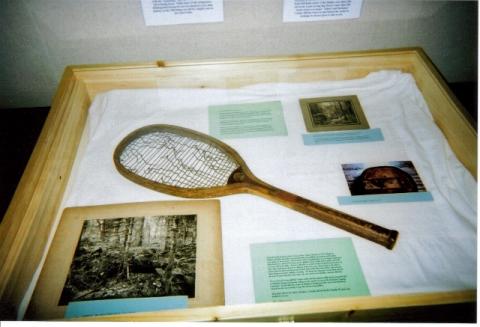
THEY ALSO HAD A DISPLAY ROOM WHICH HAD A WHOLE COLLECTION OF RARE ARTIFACTS FROM THE CASE, SOME OF WHICH HAD NOT BEEN SEEN SINCE 1906. MOST OF THE ARTIFACTS INCLUDED NEWSPAPER ARTICLES FROM 1906 AS WELL AS SIGNED STATEMENTS FROM CHESTER GILLETTE'S SPIRITUAL ADVISORS AFTER HIS EXECUTION IN 1908 AND A LIST OF PEOPLE WHO ATTENDED THE EXECUTION. THERE WERE ALSO LETTERS FROM GRACE BROWN, AS WELL AS CHESTER'S FINAL LETTER TO GRACE IN THE THREE-WEEK PERIOD LEADING UP TO HER DEATH, AND A LETTER FROM HARRIET BENEDICT ASKING CHESTER FOR A "POSTER."
BUT THE BIGGEST DRAW OF ALL HAD TO BE THE TENNIS RACKET WHICH CHESTER USED TO KILL GRACE WITH THAT DAY ON THE LAKE. IT WAS RECENTLY AUTHENTICIZED BECAUSE THEY FOUND AN EXHIBITION NUMBER ON IT. THIS ALSO MARKS THE FIRST TIME THAT THE MURDER WEAPON WAS PUT ON DISPLAY SINCE THE 1931 PREMIERE OF THE MOVIE "AN AMERICAN TRAGEDY," THE FIRST MOVIE BASED ON THEODORE DREISER'S NOVEL.
I WILL HAVE TO STOP NOW, BUT I WILL HAVE MORE ON THIS MONDAY.
Subscribe to:
Posts (Atom)

 Posts
Posts


